Sake Classifications are important to understand. They influence both the taste and price of the sake. This chart below outlines the major classifications of sake which are based on ingredients and rice milling rate:
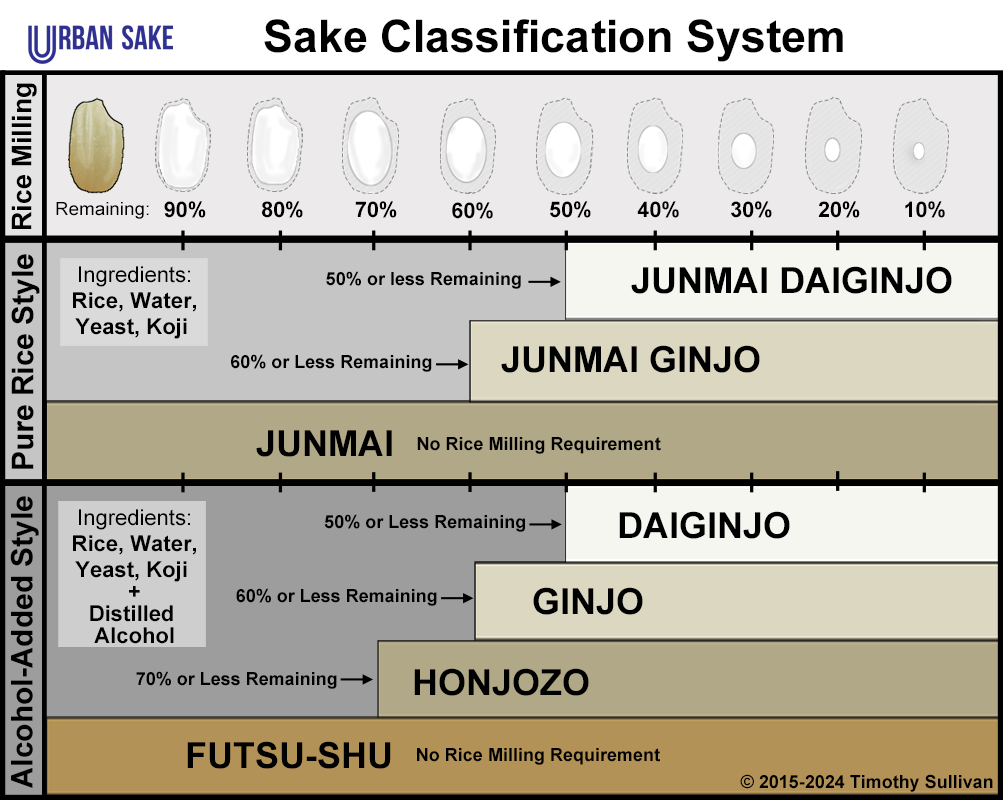
Below are the basic classification grades of Sake:
Junmai:
Junmai Sake is brewed using only rice, water, yeast and koji. There are no other additives. To qualify as a Junmai, there is technically no minimum milling requirement, but the sake must be the “pure rice” style… no added distilled alcohol allowed.
Honjozo:
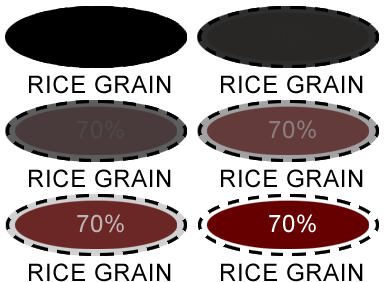 Honjozo Sake must be milled to 70% or less of it’s original size and as far as ingredients go, it contains a small amount of distilled brewer’s alcohol, which is added to the sake to achieve different flavor & aroma profiles.
Junmai Ginjo / Ginjo:
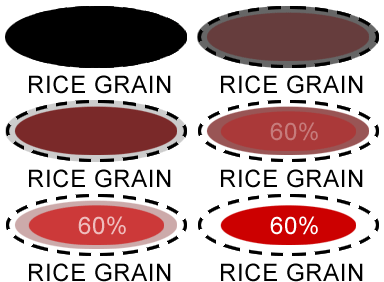 Junmai Ginjo Sake is brewed using only rice, water, yeast and koji. There are no other additives. To qualify as a Ginjo, the rice grain must be milled to 60% or less of it’s original size.
Ginjo Sake is the same as Junmai Ginjo except a small amount of distilled brewer’s alcohol is added to the sake to achieve different flavor profiles.
Junmai Daiginjo / Daiginjo:
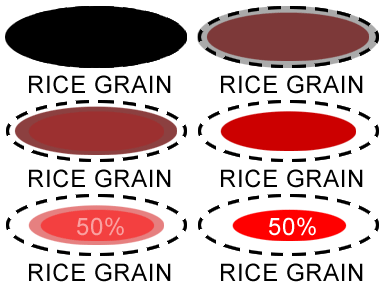 Junmai Daiginjo Sake is brewed using only rice, water, yeast and koji. There are no other additives. To qualify as a Daiginjo, the rice grain must be milled to 50% or less of it’s original size.
Daiginjo Sake is the same as Junmai Daiginjo except a small amount of distilled brewer’s alcohol is added to the sake to achieve different flavor profiles.